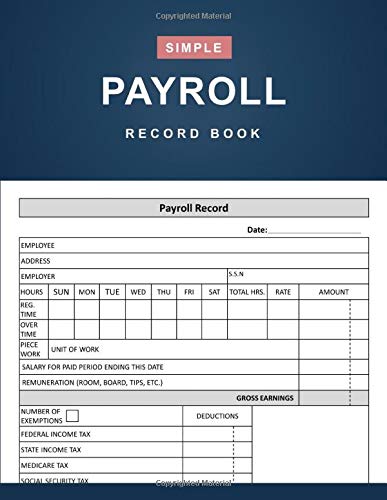

Managing payroll is one of the most critical yet time-consuming responsibilities for any organization. From calculating wages and superannuation to ensuring compliance with tax regulations, businesses must maintain absolute accuracy. This is where payroll service solutions and payroll outsourcing come into play.
In Australia, evolving employment laws and increasing administrative complexity have pushed many companies to reconsider whether handling payroll in-house is still the best approach. The demand for reliable payroll services Australia continues to grow as businesses seek efficiency, compliance, and reduced operational risk.
This article explores whether outsourcing payroll is the right solution, when companies should retain in-house control, and why outsourcing payroll services is becoming a strategic necessity.
Can Payroll Outsourcing Be The Solution
For many businesses, payroll outsourcing offers a practical way to reduce administrative burden while improving accuracy and compliance. Instead of relying on internal teams to manage complex payroll calculations and regulatory updates, companies delegate these responsibilities to specialized providers.
Modern payroll systems must account for multiple compliance requirements, including tax withholding, employee benefits, and reporting obligations. As highlighted in industry discussions on global payroll complexity, even minor errors can lead to penalties and employee dissatisfaction. You can explore more about these challenges in this analysis of global payroll accuracy and compliance challenges.
Outsourcing can be particularly beneficial for:
- Small to medium-sized businesses lacking dedicated HR or finance teams
- Companies operating across multiple regions or states
- Organizations experiencing rapid workforce growth
- Businesses seeking to minimize compliance risks
By leveraging professional payroll outsourcing providers, businesses gain access to advanced systems, expert knowledge, and up-to-date regulatory tracking. This significantly reduces the risk of payroll errors while ensuring employees are paid correctly and on time.
However, outsourcing is not a one-size-fits-all solution. Companies must evaluate their operational structure, data sensitivity, and internal capabilities before making a decision.
Should You Keep Your Payroll In-House?
While outsourcing offers clear advantages, some organizations prefer to retain payroll internally for greater control and transparency. In-house payroll management can be suitable for companies with stable, predictable payroll structures and strong internal HR capabilities.
Keeping payroll in-house may be beneficial if:
- Your organization has a dedicated and experienced payroll team
- You require direct control over employee data and processing
- Payroll complexity is relatively low and stable
- You already use robust payroll software internally
However, in-house payroll also comes with challenges. Businesses must continuously stay updated with regulatory changes, invest in software maintenance, and ensure staff training. Any lapse in compliance can lead to financial penalties and reputational risk.
Additionally, scaling payroll internally can become difficult as the business grows. Expanding teams, changing employment contracts, and increasing compliance obligations often require more sophisticated systems and expertise than many internal teams can sustain.
Ultimately, the decision depends on balancing control with efficiency. Many organizations now adopt a hybrid model keeping strategic oversight internally while outsourcing technical payroll execution.
The Need for Outsourcing Payroll Services
The growing complexity of employment regulations has made outsourcing an increasingly attractive option for businesses of all sizes. Professional providers of payroll services Australia offer not only processing capabilities but also compliance assurance, reporting accuracy, and system integration.
One of the key drivers behind this shift is the need for specialized expertise. Payroll is no longer just about salary calculations; it involves legal compliance, data security, and real-time reporting. Businesses that fail to keep up risk financial penalties and employee dissatisfaction.
For a deeper understanding of how payroll providers operate within the Australian context, you can review insights from professional payroll service solutions in Australia.
Key advantages of outsourcing payroll services include:
- Improved compliance: Providers stay updated with tax laws and employment regulations
- Time savings: Internal teams can focus on core business activities
- Cost efficiency: Reduced need for full-time payroll staff and infrastructure
- Scalability: Easily adapt to business growth or seasonal workforce changes
- Data security: Advanced systems protect sensitive employee information
For example, a mid-sized retail company expanding across multiple Australian states may struggle to manage differing payroll regulations internally. By outsourcing, they ensure consistent compliance while reducing administrative pressure.
Conclusion
In today’s fast-paced business environment, payroll is no longer a simple administrative task—it is a strategic function that directly impacts compliance, employee satisfaction, and operational efficiency.
Whether a company chooses to manage payroll internally or adopt payroll outsourcing, the key is to ensure accuracy, reliability, and compliance at all times. For many organizations, partnering with a trusted provider of payroll service solutions offers a balanced approach between efficiency and risk management.
As regulations continue to evolve and workforce models become more complex, the demand for professional payroll services Australia will only continue to grow. Businesses that proactively evaluate their payroll strategy today will be better positioned for long-term stability and success.
If your organization is considering optimizing its payroll process, now is the time to explore outsourcing options and assess how expert providers can streamline operations while ensuring full compliance.